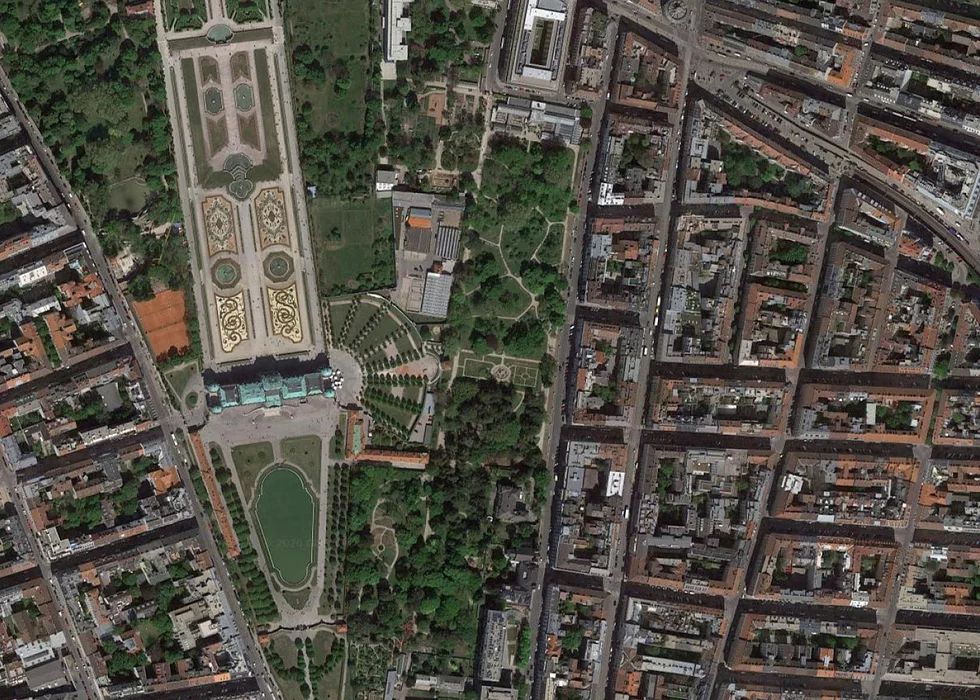
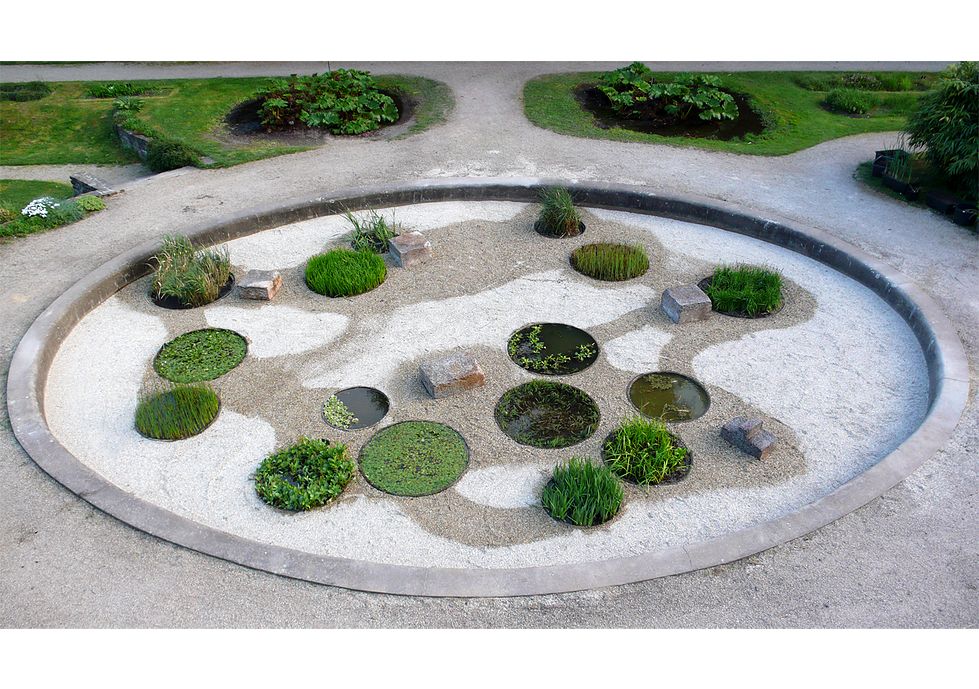
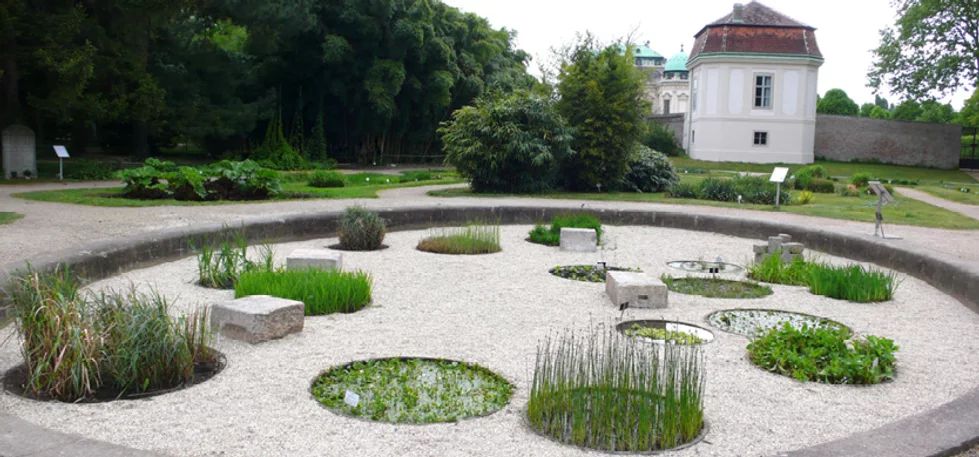
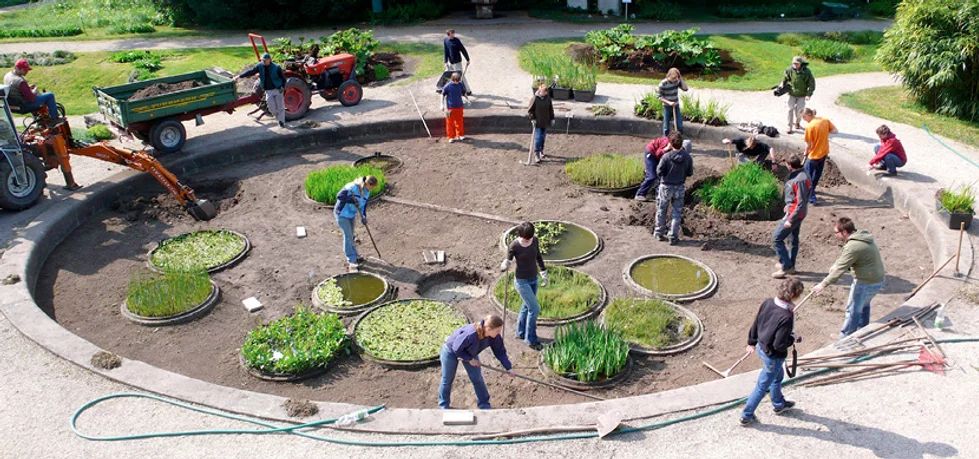
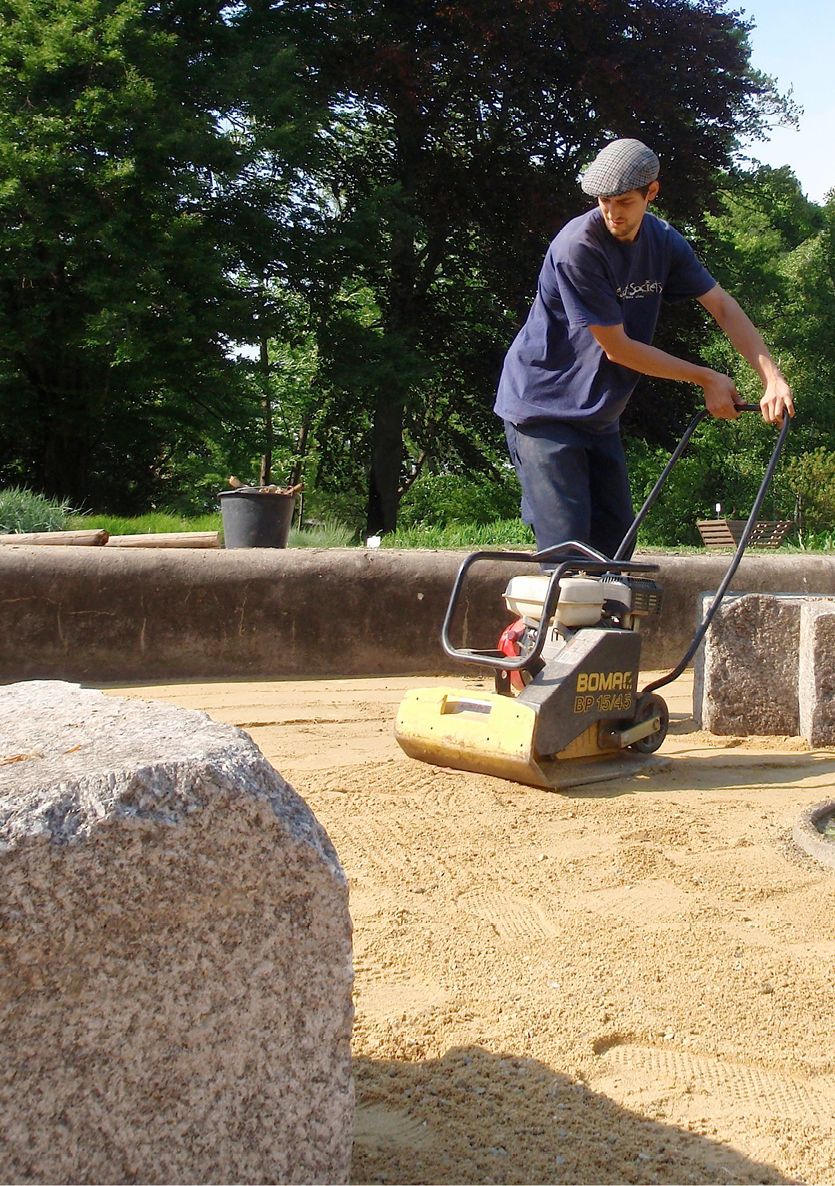
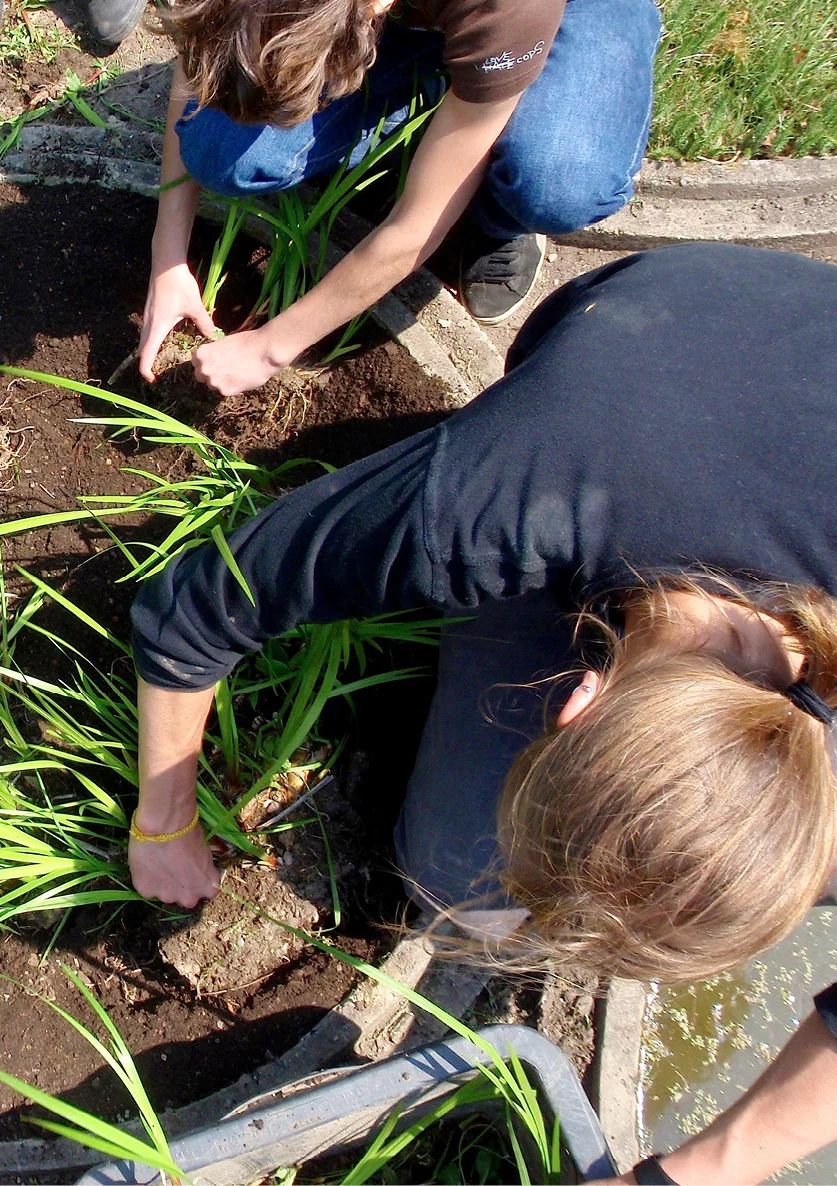
Botanica Temporanea is a project that first started in 2003 with the aim of focussing on design applied to those neglected places that are colonised by plants and lend themselves to be transformed into gardens, with simple shared procedures, manual work, and very little investment. After delivering a yearly workshop on this theme at the University of Applied Arts of Vienna, invited by the Dean Professor Mario Terzic and by the Director of the Botanical Garden at the Belvedere Museum, I was allowed to pick a site and convert it into a garden. Hence, the large aquatic plants basin – that had become abandoned after bombs damaged it during World War II – was transformed into a new garden, at a level lower than its surroundings, where visitors come in touch with the new aquatic plants and discover the subtle relationship connecting plants, soil, and water. The aim of this project was not just the innovative refurbishment of a part of Vienna’s ancient Botanical Garden, but it included the practical execution of a new way of designing; strict rules were applied and overcome to create a new garden at no cost. Abiding by the rules of Botanica Temporanea, the design brief was: identifying a strategy shared with the students and approved by the Garden, only reusing their leftover plants and materials, and – above all – relying exclusively on our labour force from the Botanica Temporanea classes. I believe that in order to design a garden, one must intimately know its site, and manual work allows for in-depth understanding of an environment: each step is a source of inspiration. As we worked, on the bottom of the old broken fountain we found an ancient plate with the name of a plant engraved on it: Alisima plantago-acquatica, a pretty common water plant usually known to Austrians as froschloffel: literally, this translates as “frogs’ spoon”. The same rotten plate indicated, as the botanical origin, the wording: kosmopolit – cosmopolitan. A great landscaping inspiration for a project embedded in the exciting Mittel European historical setting of Vienna: this is why this garden has a rather complicated name. The garden’s layout is quite simple: on a gravel bed representing the dry landscape, imposed by the bomb’s injury, we put 16 rings of waterproofed concrete, that host a selection of aquatic plants: a nearly metaphysical arrangement. This garden, that was originally created to be a temporary performance, has become such a loved place that it remained at the centre of the Botanical Garden; even today, whenever we see that the Google Maps pointer of Vienna is located near it, we feel very proud about it.


Il Giardino Di Paolo – Villa Amagioia – Palazzo Di Varignana, Bologna
Imagine receiving a call from someone for whom you have already created a pharaonic project (that he then sold), imagine him asking for a new project and starting off by